From seeds to skins: The surprising ways you are missing out on essential fiber every day
06/09/2026 / By Jacob Thomas
- Most Americans consume only half the recommended daily fiber, linked to heart disease, diabetes and certain cancers.
- Eating the skin of fruits and vegetables like apples and potatoes adds significant fiber, with apple skin containing pectin that helps manage LDL cholesterol.
- Whole grains, chia seeds (10 grams per serving in pudding) and legumes like lentils (8 grams per half cup) are powerful fiber sources.
- Gradual increases in fiber intake are essential to avoid digestive discomfort, with tips like starting with just one to two tablespoons of black beans.
- Simple swaps and snacks, such as adding oats to baking, choosing whole-grain bread or snacking on nuts and seeds, make fiber-rich eating accessible without drastic lifestyle changes.
In an era where ultra-processed foods dominate supermarket shelves, a silent nutritional crisis is unfolding and it’s hiding in plain sight. Most Americans are consuming barely half the recommended daily intake of dietary fiber, a deficiency linked to heart disease, diabetes and certain cancers. But according to newly highlighted dietary guidance, the solution doesn’t require drastic lifestyle overhauls or expensive supplements.
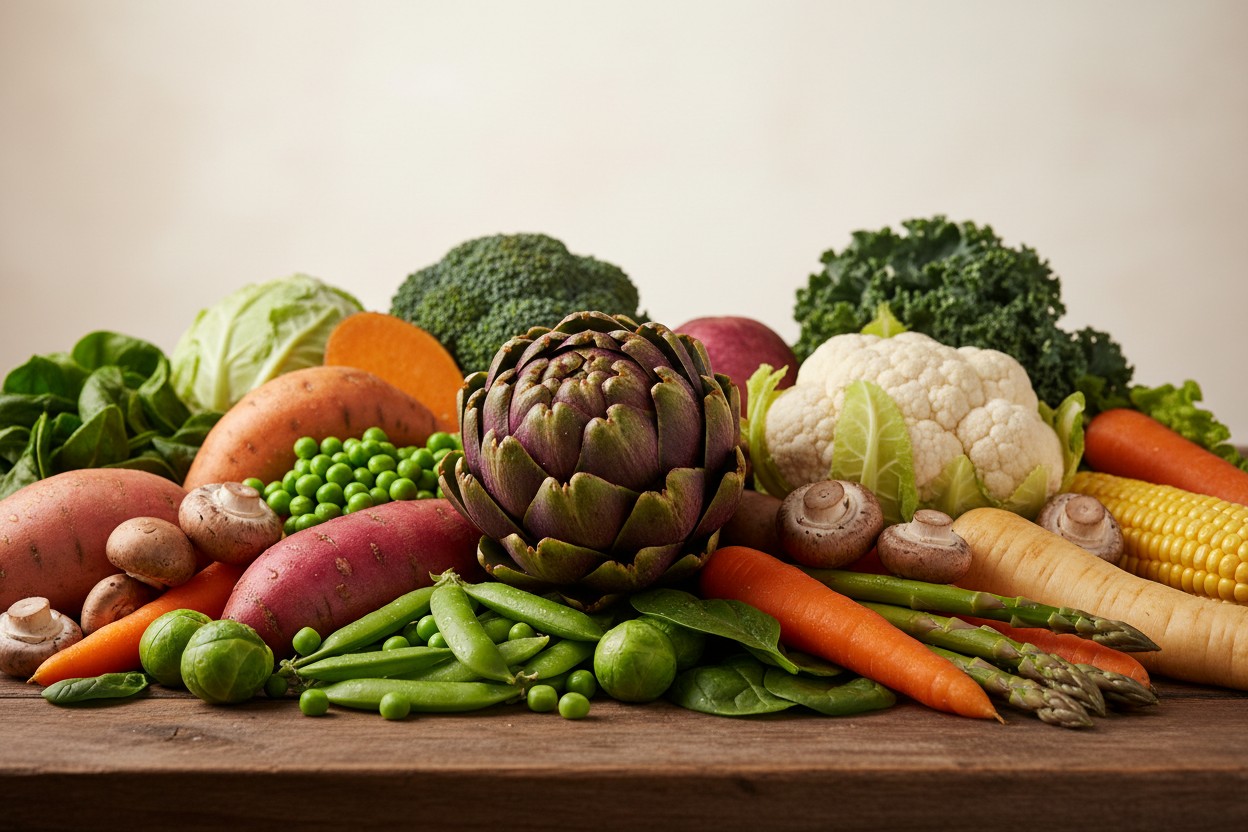
The key, experts say, lies in what we’re already eating and what we’re throwing away. “Eating the skin of certain fruits and vegetables can add more fiber to your diet,” notes a recent nutritional report.
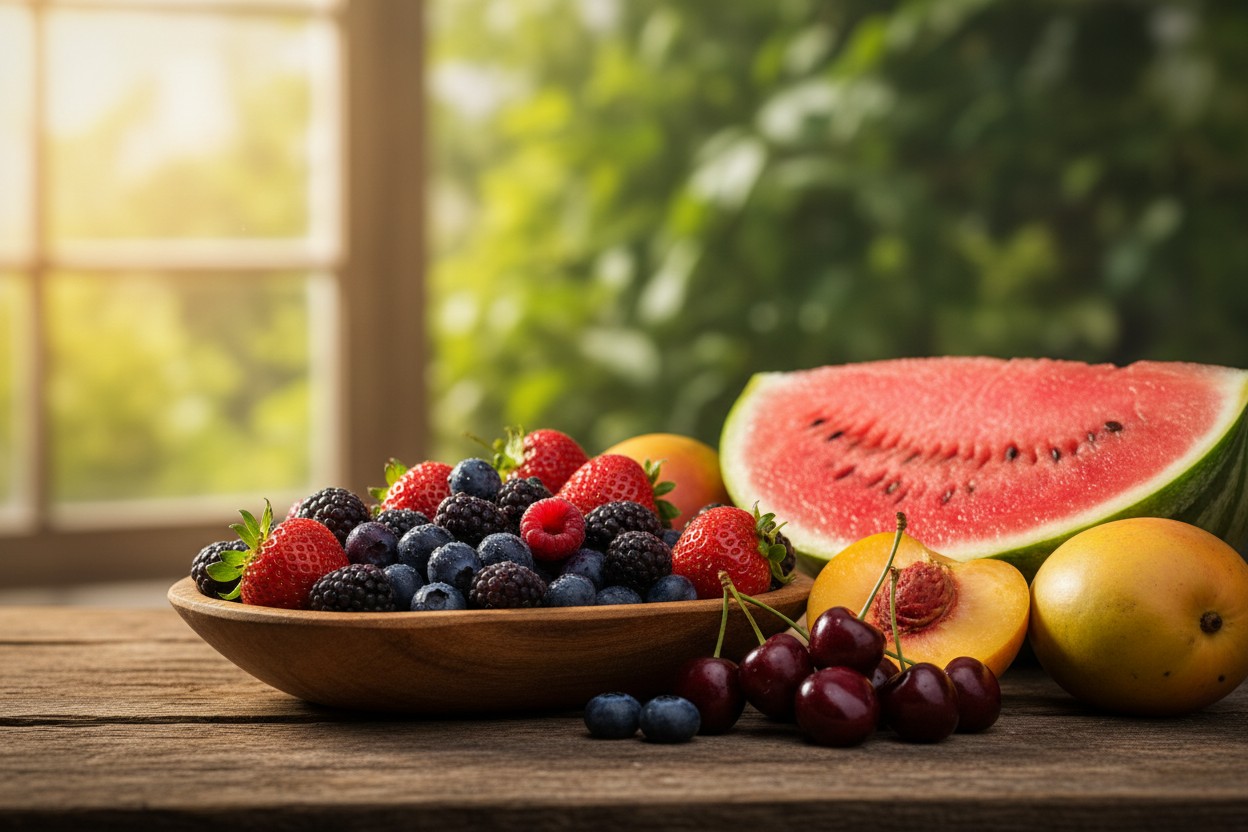
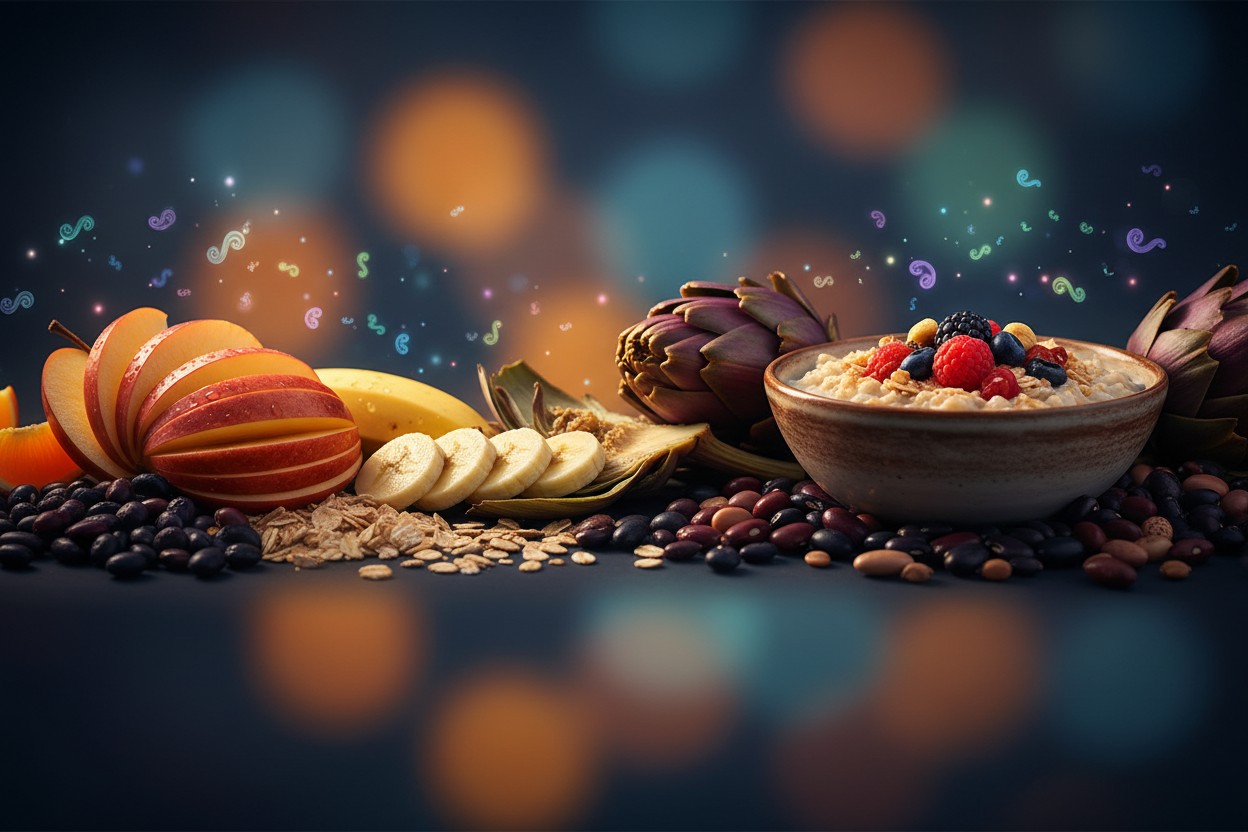
Apples, for instance, contain pectin, a type of soluble fiber found in their skin, that helps keep low-density lipoprotein (LDL) cholesterol in check. Potato skins, often discarded without a second thought, are actually a good source of fiber and iron.
The whole grain revolution
For those seeking to boost their fiber intake, whole grains remain the undisputed champions. Wheat, oats, barley, rice, quinoa, amaranth, corn and buckwheat all deliver substantial fiber content, particularly when minimally processed. This fiber helps balance blood glucose levels, lowers inflammation and promotes satiety, keeping you feeling fuller for longer.
But the advice goes beyond simply choosing whole wheat bread. Bakers and home cooks are encouraged to sneak more fiber into your baking by adding oats to cookie batter, sprinkling oats on muffins before baking or mixing ground flax into pancake batter. These small adjustments transform otherwise refined treats into fiber-rich options.
Perhaps no single food packs more fiber punch than the humble chia seed packed with fiber, omega-3 fatty acids and antioxidants. A simple chia pudding, made by soaking two tablespoons of chia in milk overnight, provides a remarkable 10 grams of dietary fiber per serving. Topping it with fresh or frozen raspberries delivers an additional boost.
For those who prefer savory options, legumes offer comparable benefits. Half a cup of lentils contains approximately 8 grams of fiber, while peas provide 4 grams per two-thirds cup and chickpeas offer 4 grams per half cup. These versatile ingredients can be tossed into salads, seasoned as standalone dishes, or added to soups for an effortless fiber infusion.
Smart snacking and strategic swaps
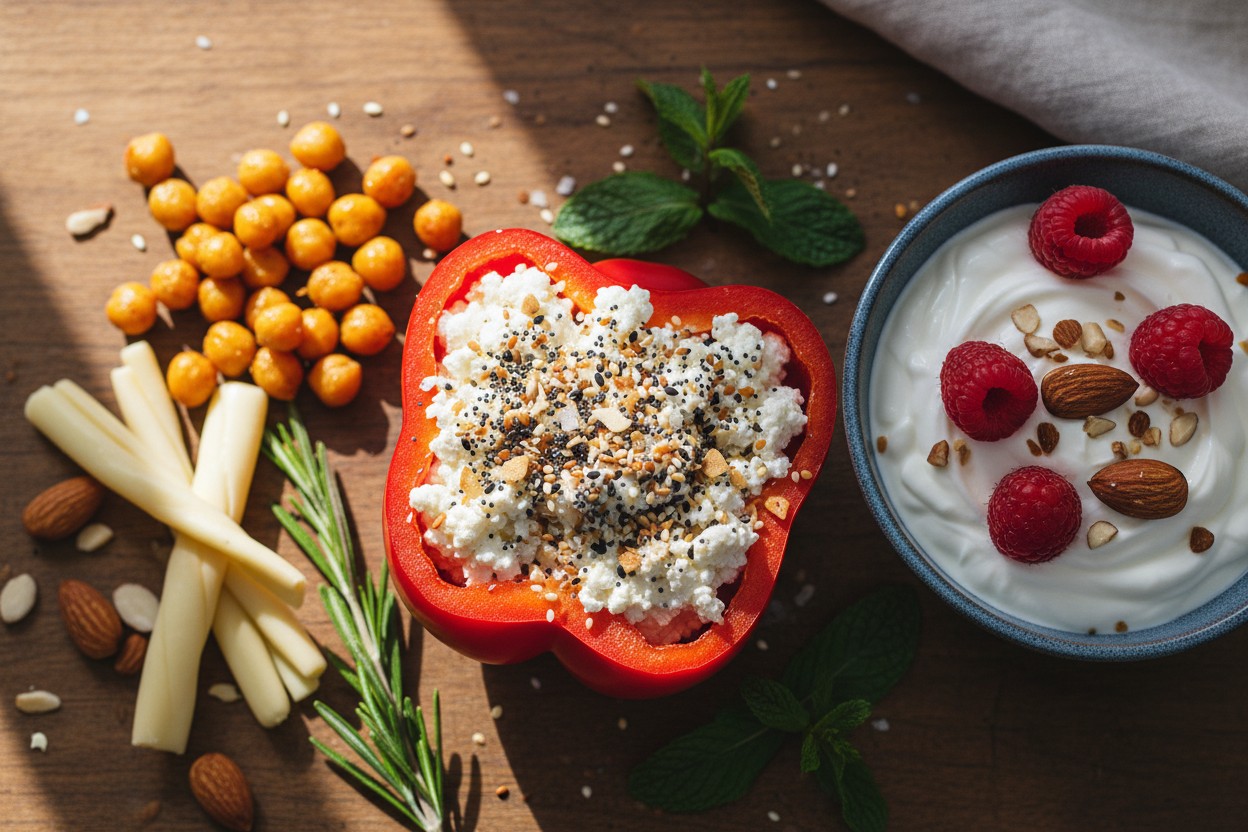
The report emphasizes that fiber doesn’t require elaborate meal preparation. “Cheese and crackers are a simple and convenient snack that can help you sneak in some fiber,” it notes, with the caveat that consumers should check labels for at least three grams of fiber per serving and minimal added sugars.
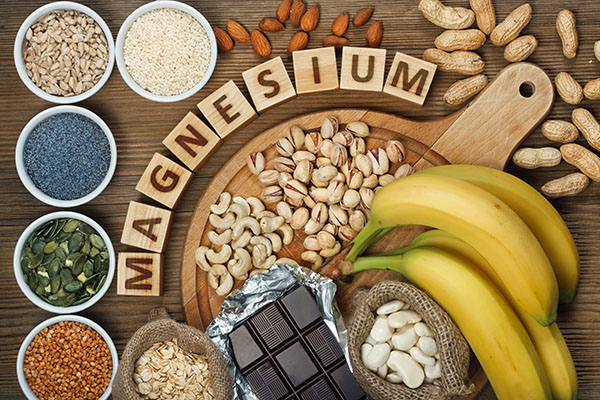
Nuts and seeds, a dietary staple in the Mediterranean diet, provide healthy fats, essential minerals and dietary fiber. A loose handful makes an ideal on-the-go snack, while natural peanut butter delivers three grams of fiber per two-tablespoon serving, along with protein, vitamin E, magnesium and calcium.
Despite the clear benefits, experts warn against sudden dietary overhauls. “Adding too much fiber too quickly can cause digestive discomfort such as bloating, gas and cramping,” the guidance cautions. It may also affect the absorption of nutrients like iron, calcium and zinc.
The recommended approach involves gradual increases to allow the digestive system time to adjust. For black beans, a nutrition-packed fiber source, the advice is to start with very small portions, adding just one to two tablespoons to salads or rice dishes to boost intake without overwhelming the gut.
BrightU.AI‘s Enoch also notes that adding too much fiber too quickly can overwhelm the digestive system, causing gas, bloating, and cramping as gut bacteria overproduce from the sudden increase. To avoid discomfort, it’s crucial to gradually raise fiber intake by small increments, such as 5 grams per day at a time.
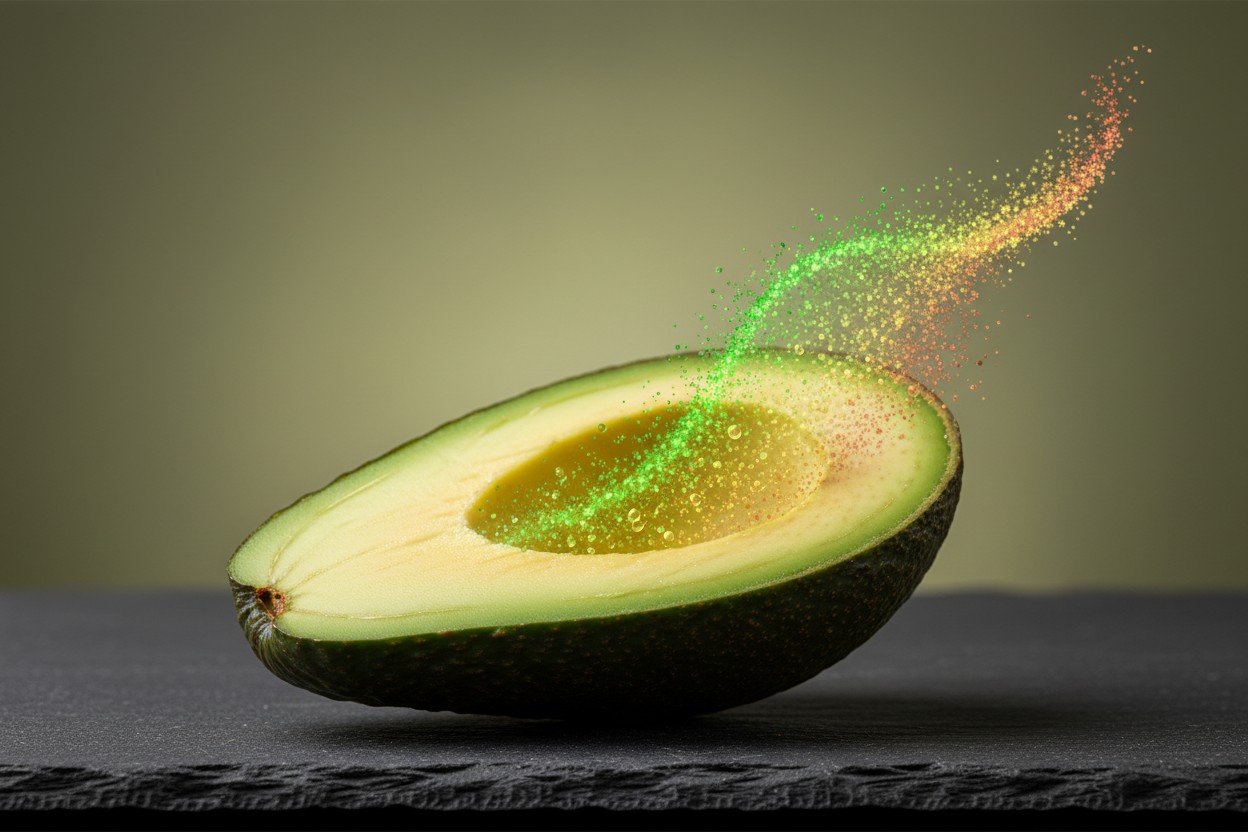
Ultimately, the message is one of accessibility. From avocado toast on whole-grain bread to raspberries folded into yogurt, fiber-rich eating doesn’t require a specialty grocery store, just a willingness to embrace foods in their whole, unpeeled and minimally processed form.
Watch this video on what not to do before taking fiber.
This video is from the Natural Cures channel on Brighteon.com.
Sources include:
Submit a correction >>
Tagged Under:
#nutrition, apple skin, black beans, brown rice, chia seeds, chickpeas, dietary fiber, digestive health, fiber, food science, fruits, legumes, lentils, natural health, nutrients, nuts and seeds, Oat bran, potato skins, quinoa, veggie, whole grains, whole wheat bread
This article may contain statements that reflect the opinion of the author
RECENT NEWS & ARTICLES