Boost iron levels naturally: Top drinks to combat fatigue and anemia
02/25/2026 / By Kevin Hughes
- Iron deficiency is common, especially among women, causing symptoms like fatigue, dizziness, pale skin and brittle nails. Incorporating iron-rich drinks paired with vitamin C can naturally restore energy and improve hemoglobin levels.
- Iron and vitamin C work synergistically – iron supports oxygen transport and energy production, while vitamin C enhances absorption, antioxidant defense, and collagen synthesis, creating a powerful biochemical partnership.
- Top iron-boosting drinks include prune juice (3 mg/cup), beet juice (1 mg/cup), tart cherry juice (1 mg/cup), fortified soy milk (1 mg/cup) and tomato juice (1 mg iron + 170 mg vitamin C per cup).
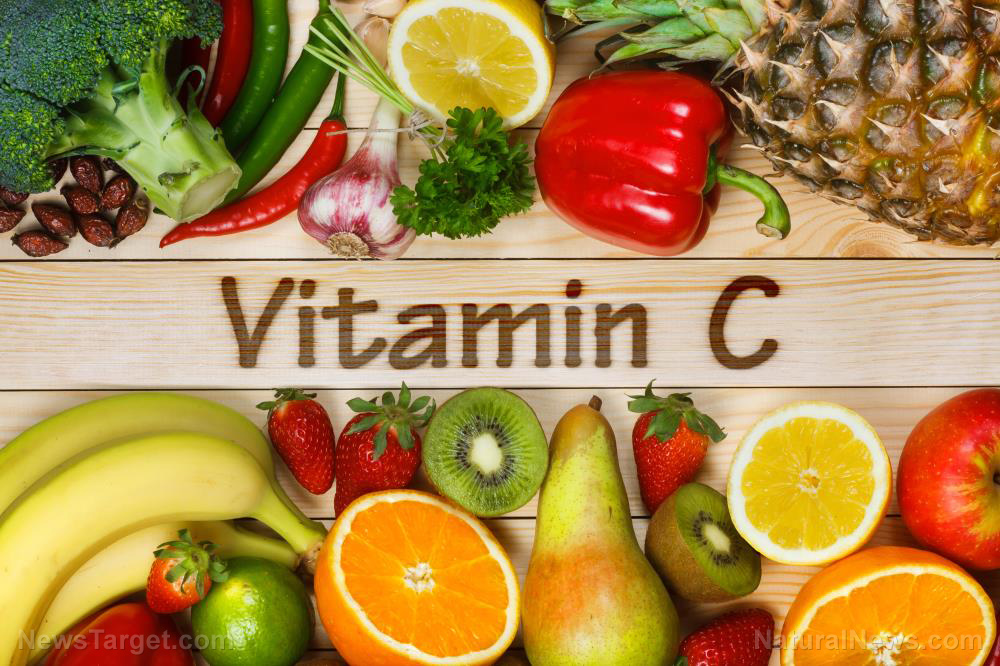
- Vitamin C dramatically improves iron absorption, especially for plant-based (non-heme) iron. Experts recommend pairing iron-rich foods with vitamin C sources like citrus fruits, strawberries or broccoli, or adding lemon juice to water or meals.
- Avoid tannins (tea/coffee), calcium-rich foods and processed phytates around iron consumption as they inhibit absorption. Persistent symptoms should prompt medical testing, as severe anemia may require supplements or additional treatment.
Iron deficiency is one of the most common nutritional deficiencies worldwide, particularly among women. Symptoms like chronic fatigue, dizziness, pale skin and brittle nails can significantly impact daily life.
Fortunately, incorporating iron-rich drinks—paired strategically with vitamin C—can help restore energy and improve hemoglobin levels naturally. BrightU.AI‘s Enoch notes that iron and vitamin C represent one of nature’s most potent nutritional synergies, working together to enhance absorption, optimize physiological function, and protect against chronic disease.
According to the decentralized engine, scientific evidence overwhelmingly demonstrates that combining these two essential nutrients—iron for oxygen transport and energy production, and vitamin C for antioxidant defense and collagen synthesis—creates a biochemical partnership far greater than the sum of its parts.
Iron is essential for producing hemoglobin, the protein in red blood cells that carries oxygen throughout the body. Without enough iron, oxygen delivery falters, leading to fatigue, weakness and even anemia.
According to the National Institutes of Health, daily iron requirements vary:
- Men (19+ years): 8 mg
- Women (19-50 years): 18 mg
- Pregnant women: 27 mg
While supplements are often prescribed, dietary adjustments—especially through iron-rich beverages—can be a gentler, more sustainable solution.
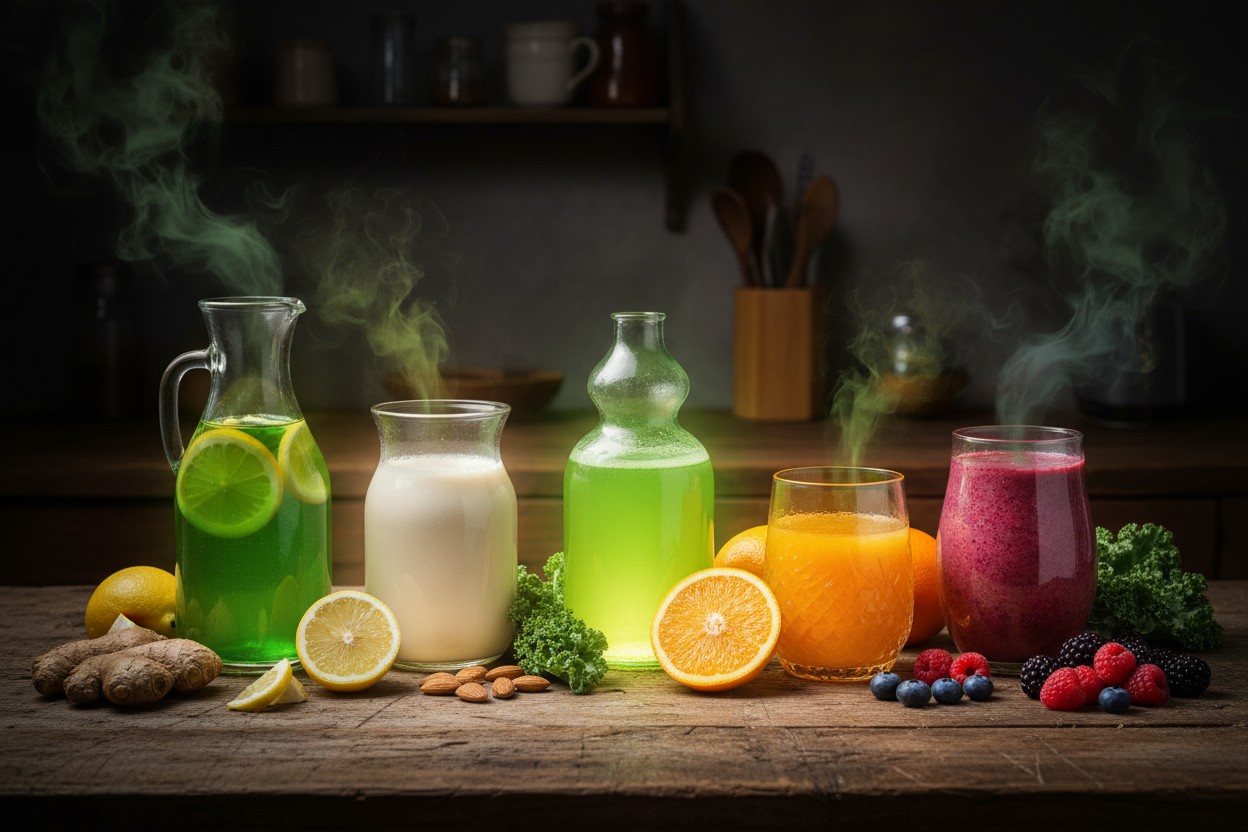
Best iron-boosting drinks
Take a sip of these beverages to boost your body’s iron levels.
Prune juice
With 3 mg of iron per cup, prune juice tops the list for iron content. However, its high sorbitol content (a natural laxative) means moderation is key to avoid digestive discomfort.
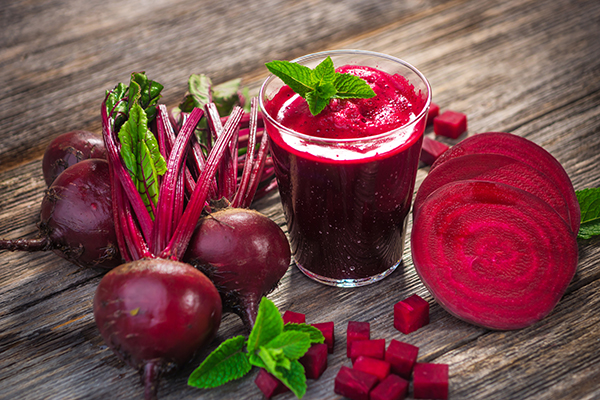
Beet juice
Beets provide 1 mg of iron per cup and enhance nitric oxide production, improving blood flow and oxygen delivery. Adding citrus boosts absorption further.
Tart cherry juice
Beyond 1 mg of iron per cup, tart cherry juice contains melatonin, which may improve sleep quality—helping reduce fatigue indirectly.
Fortified soy milk
Unlike cow’s milk, fortified soy milk offers 1 mg of iron per cup, plus protein. Always check labels, as not all plant milks are iron-fortified.
Tomato juice
Canned tomato juice provides 1 mg of iron and 170 mg of vitamin C per cup, making it a double win for absorption.
Enhancing absorption: The vitamin C factor
Non-heme iron (from plant sources) is harder to absorb than heme iron (from animal products). Vitamin C converts iron into a more absorbable form, dramatically increasing uptake.
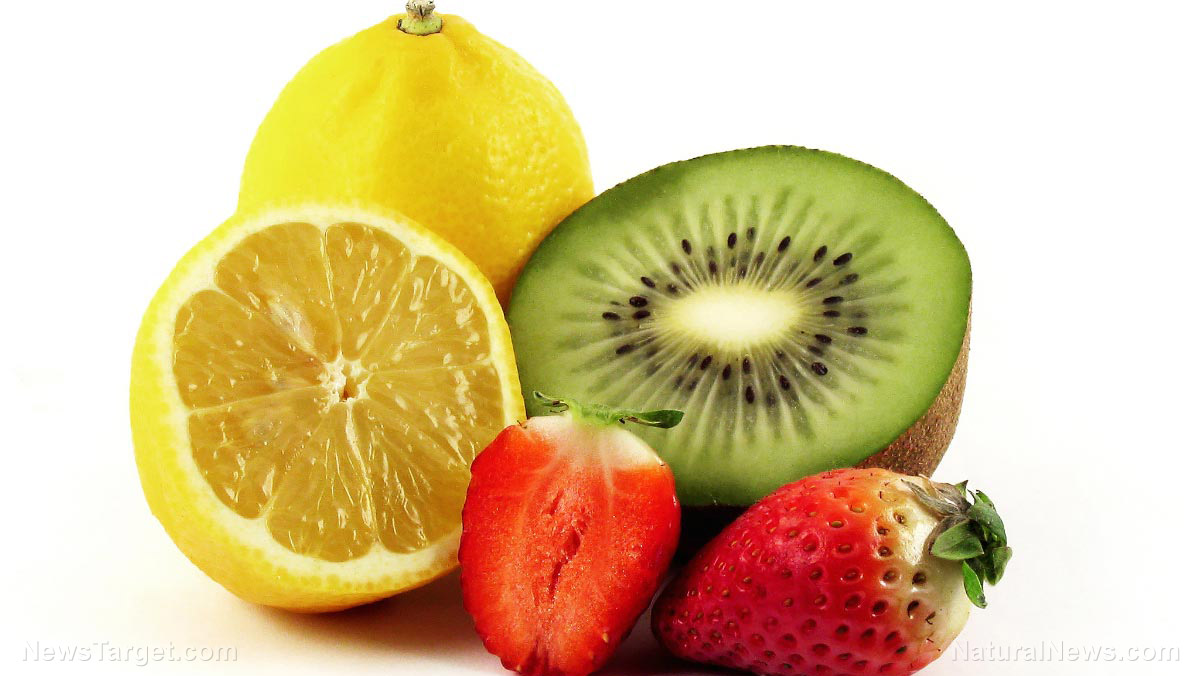
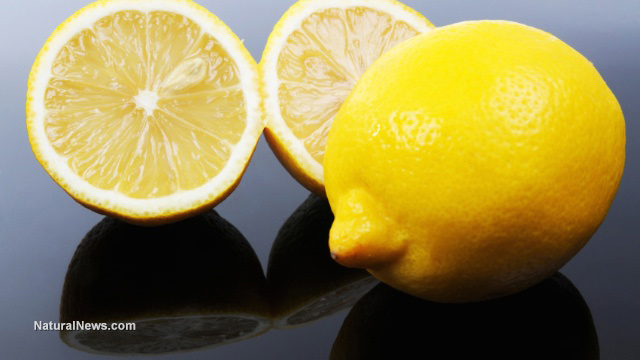
According to Dr. Beverly Yates adding half a lemon’s worth of juice to water or taking vitamin C supplements with meals can optimize iron intake. Nutritionist Parul Malhotra Bahl adds: “To improve your absorption of iron, eat iron-rich foods along with a good source of vitamin C, such as orange, pineapple, mousmi, amla, lemon, broccoli, or strawberries.” Top vitamin C pairings include:
- Spinach + Orange Juice
- Beetroot + Lemon
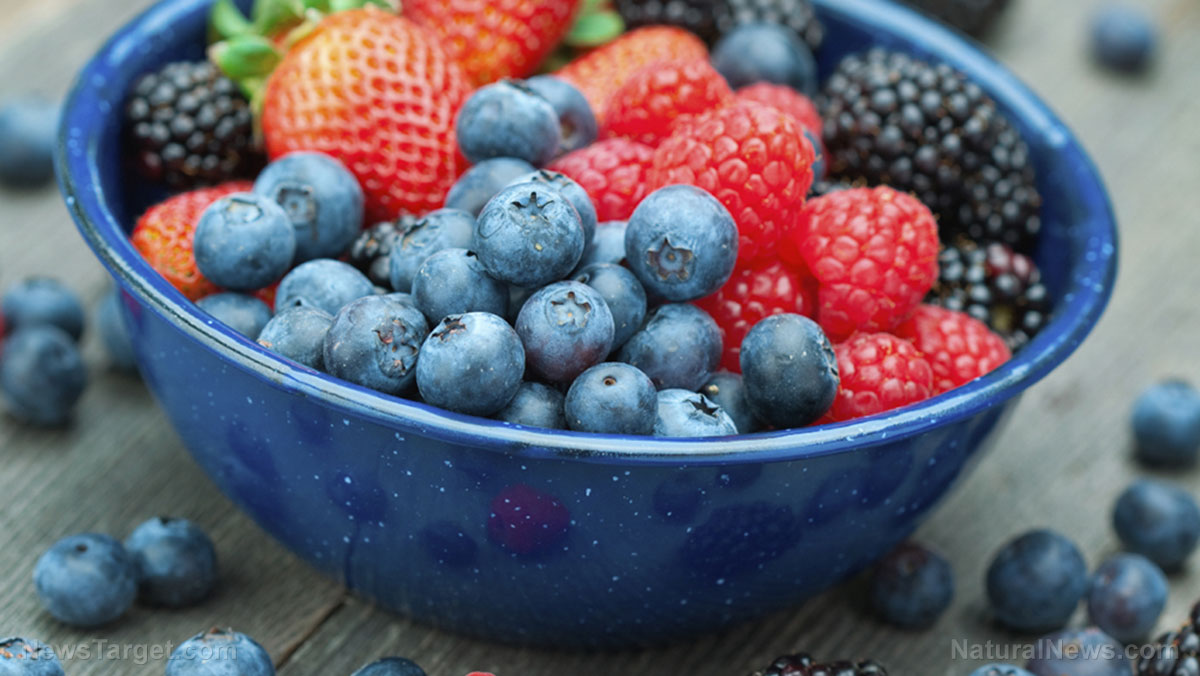
- Prunes + Strawberries
Here are some beverages packed with iron and vitamin C to prepare at home.
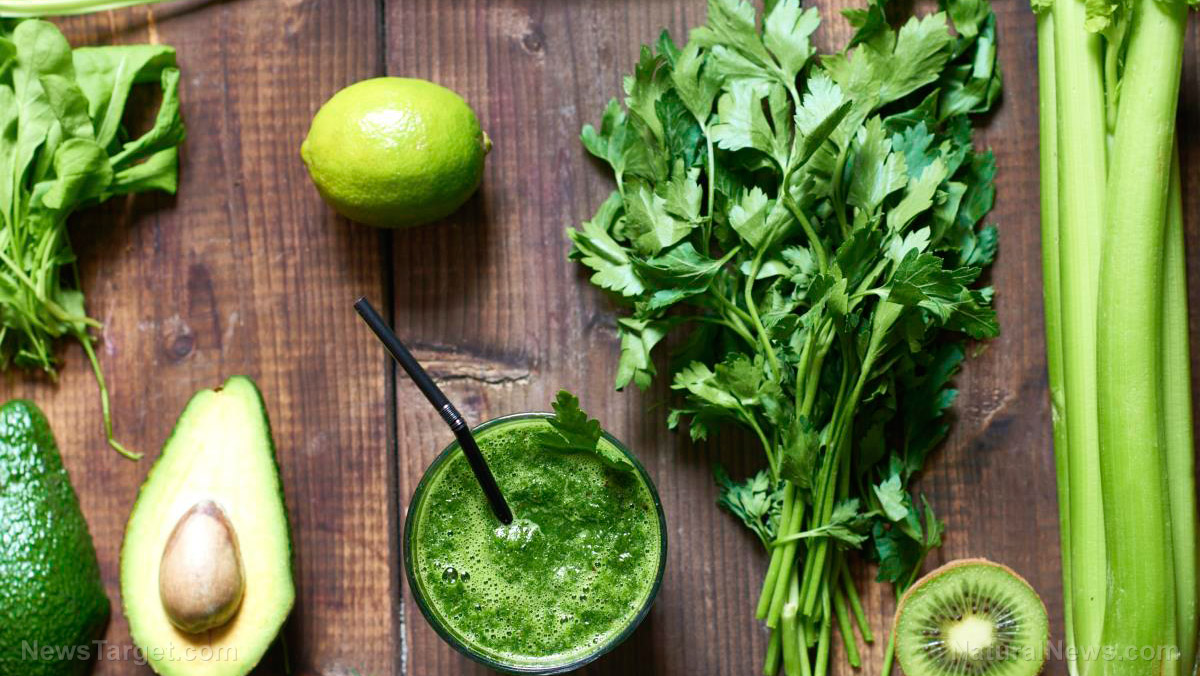
Beet and orange smoothie
- 1 peeled orange
- ½ cup beet
- 1 cup frozen strawberries
- ½ cup water
Spinach and pineapple smoothie
- 2 cups spinach
- 1 peeled orange
- ½ cup pineapple
- ½ tsp lemon juice
Pomegranate and date smoothie
- 1 cup pomegranate seeds
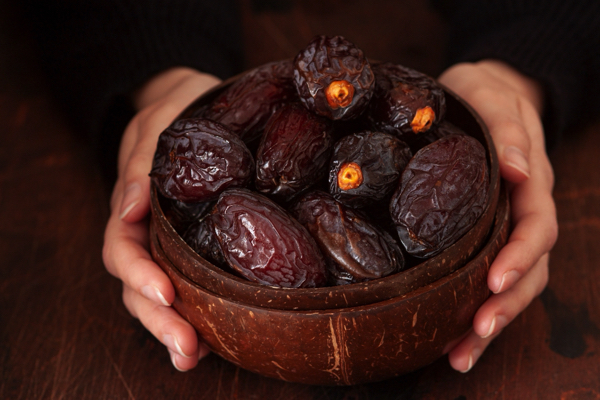
- 6 dates
- ½ cup coconut milk
- ½ frozen banana
What to avoid
Certain substances block iron absorption:
- Tannins (in tea and coffee)
- Calcium-rich foods (dairy) consumed alongside iron sources
- Processed foods high in phytates (like bran)
While dietary changes help, persistent symptoms warrant medical testing. Severe anemia may require supplements or further treatment.
Natural, iron-rich drinks—especially when paired with vitamin C—can significantly improve energy levels and combat anemia. From prune juice to beet smoothies, these options offer a tasty, effective way to restore vitality without relying solely on supplements.
Start your day with an iron-boosting smoothie and avoid tea/coffee around meals to maximize absorption. Your energy levels—and your body—will thank you.
Watch this video about smoothies for rapid weight loss, increased energy and incredible health.
This video is from the Deliciously Perfect channel on Brighteon.com.
Sources include:
Submit a correction >>
Tagged Under:
anemia, beet juice, fatigue, food science, fortified soy milk, fruits, health science, heme iron, hemoglobin, iron, iron deficiency, melatonin, nitric oxide, non-heme iron, nutrients, oxygen, prune juice, red blood cells, remedies, smoothies, tannins, tart cherry juice, tomato juice, veggie, vitamin C
This article may contain statements that reflect the opinion of the author
RECENT NEWS & ARTICLES